Wool is a natural fiber used in bedding for its breathability, moisture management, and insulating qualities. Its structure can help moderate warmth across changing room temperatures, making wool relevant to pillows and other sleep accessories. Understanding these characteristics helps explain how wool bedding differs from synthetic fills and other natural materials.
Wool fibers can absorb moisture vapor while still allowing air to circulate, which may help bedding feel less clammy during sleep. Wool is also naturally resilient, so its loft and texture contribute to a supportive, comfortable surface. Performance varies with construction, fiber quality, and care instructions, so product details are useful when comparing options.
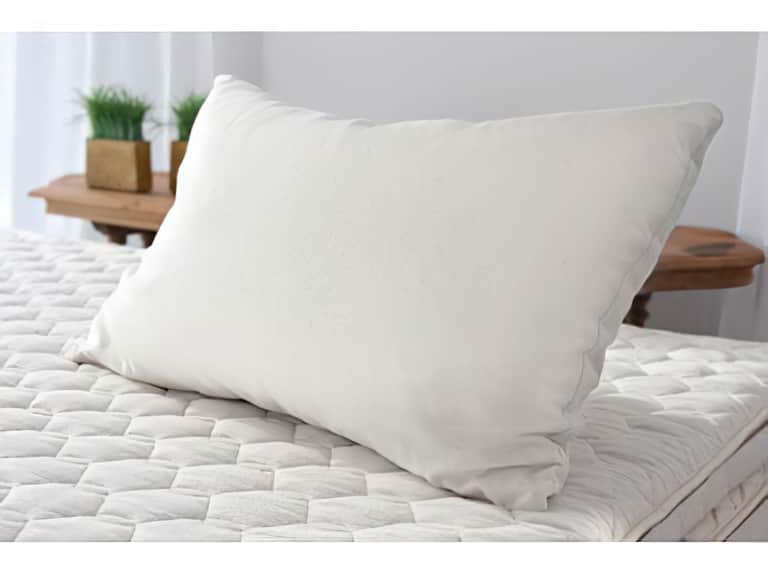
The Savvy Rest Wool Pillow brings wool into a familiar bedding format. Its wool filling provides a cushioning sleep surface, while the fiber’s natural breathability and moisture-handling properties may support a more comfortable pillow environment. Pillow height and firmness can depend on the fill amount and design, making individual comfort needs important to consider.
Wool bedding can be considered alongside organic mattresses, organic crib mattresses, and latex products when learning about sleep materials. These categories use different fibers and constructions, each with distinct feel, support, and care requirements. Material information can help households assess how a pillow or mattress fits their preferences and the needs of its intended user.
For practical use, review the pillow’s care guidance, cover materials, and any details about wool sourcing or processing. Wool may require different cleaning than washable synthetic bedding, and regular airing can help maintain freshness. Comparing these features supports informed decisions about bedding, pillows, and how natural materials such as wool and latex function in a sleep setup.
 Bedding